
Preserving Breeding Habitat for Auklets
Written by guest writer: Ryan Carle, Oikonos Ecosystem Knowledge, January 2014
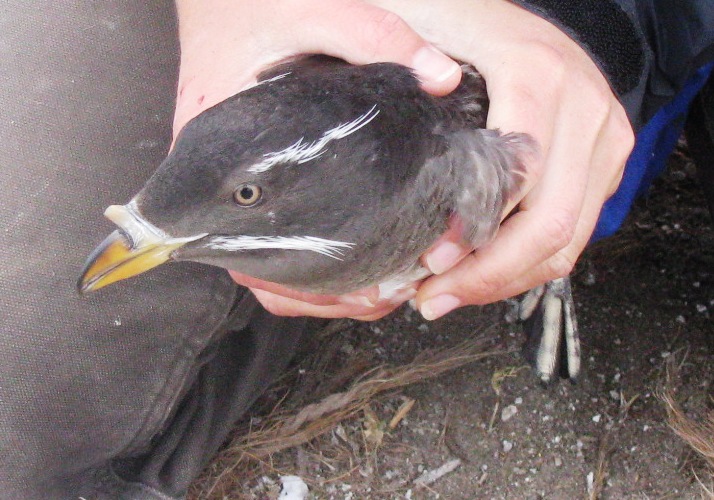
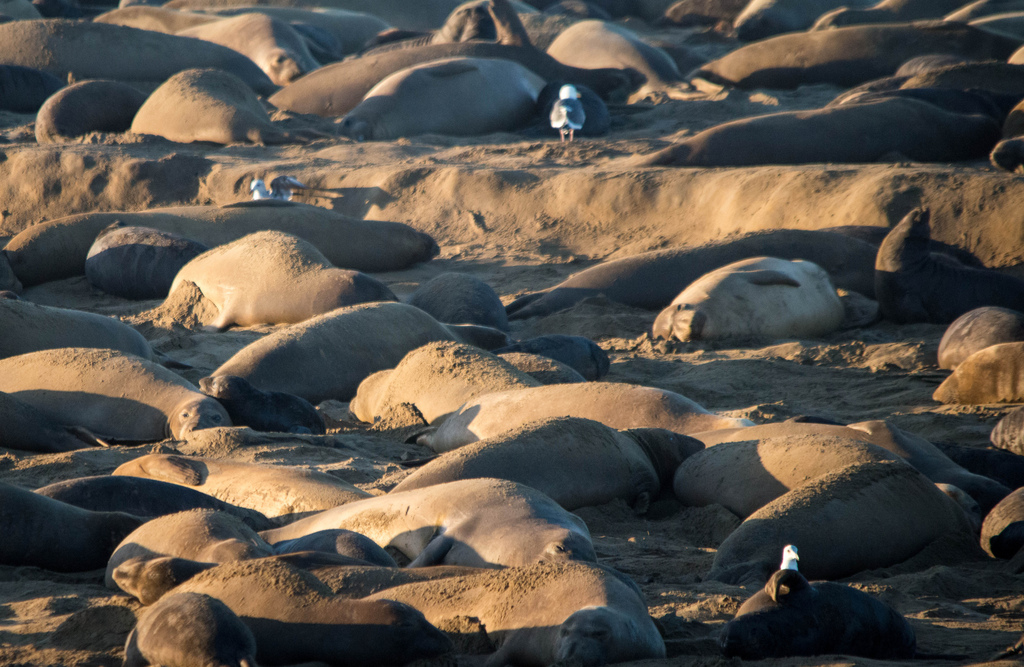
Año Nuevo Island is a noisy place. About half a mile offshore of the coast near the town of Pescadero, the island feels a world-away from the mainland, and the sounds (and smells) of wildlife dominate the senses. During the day, you hear California Sea Lions barking, Northern Elephant Seals snorting, Western Gulls screaming, and Brandt’s Cormorants grunting. At night, if you listen closely, another set of sounds appears—the low mooing call of Rhinoceros Auklets and a sound like an insane chirping cricket—the call of Cassin’s Auklet.
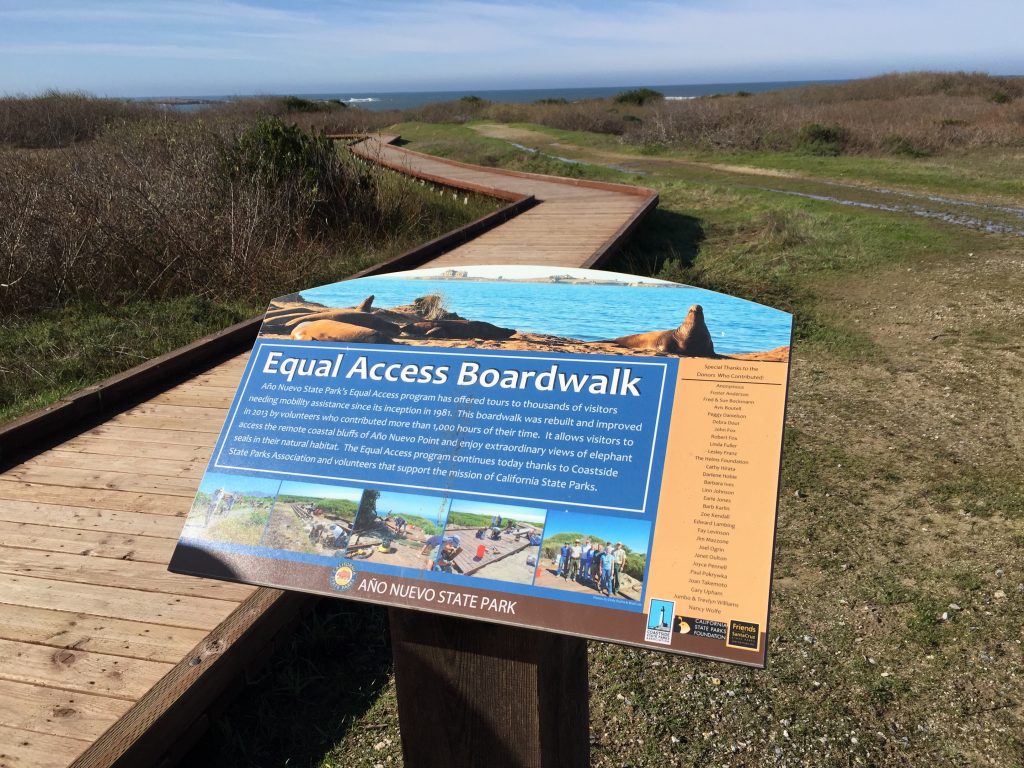
Equal Access Boardwalk for All Visitors
A Great Asset for Año Nuevo!
In the spring of 2013, State Park Rangers Ziad Bawarshi and Terry Kiser asked CSPA for assistance in the renovation of the existing Equal Access Boardwalk at Año Nuevo State Park. Already a high-caliber team was ready and eager to get started. Volunteers had been recruited, a realistic timeline was proposed, and a modest budget was presented for Coastside State Parks to use to secure donations.
Explore Your Parks:
San Gregorio and Pomponio Beaches
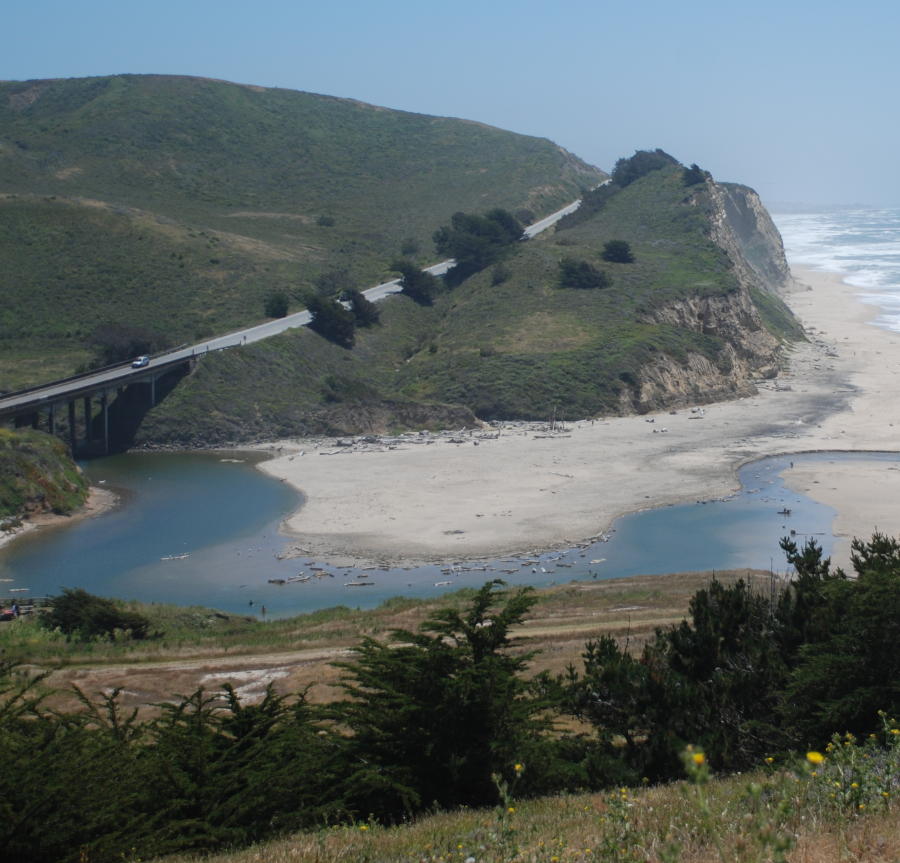
When it’s hot in the Bay Area and valley, where do you go to get relief? San Gregorio and Pomponio state beaches are popular summertime destinations where you can enjoy the beach and the cool temperatures along the coast. There is much more to these beaches, however, if you know their secrets.
Explore Your Parks:
Pescadero Beach and Marsh
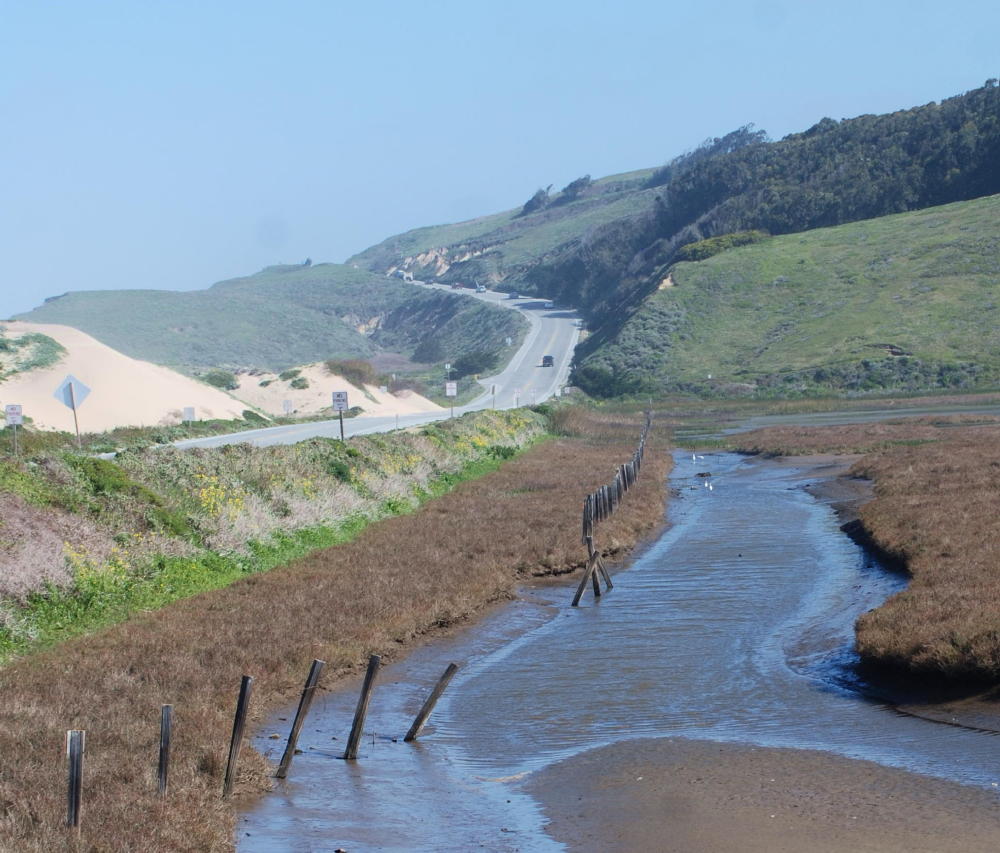
Pescadero State Beach and Natural Preserve has it all–one of the longest sandy beaches on the coast with some of the biggest sand dunes, tide pools and rocks with slumbering harbor seals; the largest coastal wetland between San Francisco and Monterey County; more than 200 species of birds, including the rarely seen western snowy plover and a rookery of nesting herons, egrets, and cormorants; trails to explore on your own or on free docent-led walks. The park draws visitors from all over the world and is a classroom for more than 10,000 school children every year.
A Report from a Sunrise Photographer
By guest writer, Laura Oliphant.
It was a clear, cold morning as I joined the other participants for the Sunrise Photography tour at Año Nuevo State Park. Meeting at 6:00 am, we silently got our gear together before boarding the bus that would take us the short drive to the start of our tour. As we got ourselves and our gear off the bus and started the walk down to the beach, we realized how cold it was – there was ice on the boardwalk.
“Thar She Blows!” – Whale Watching at Pigeon Point
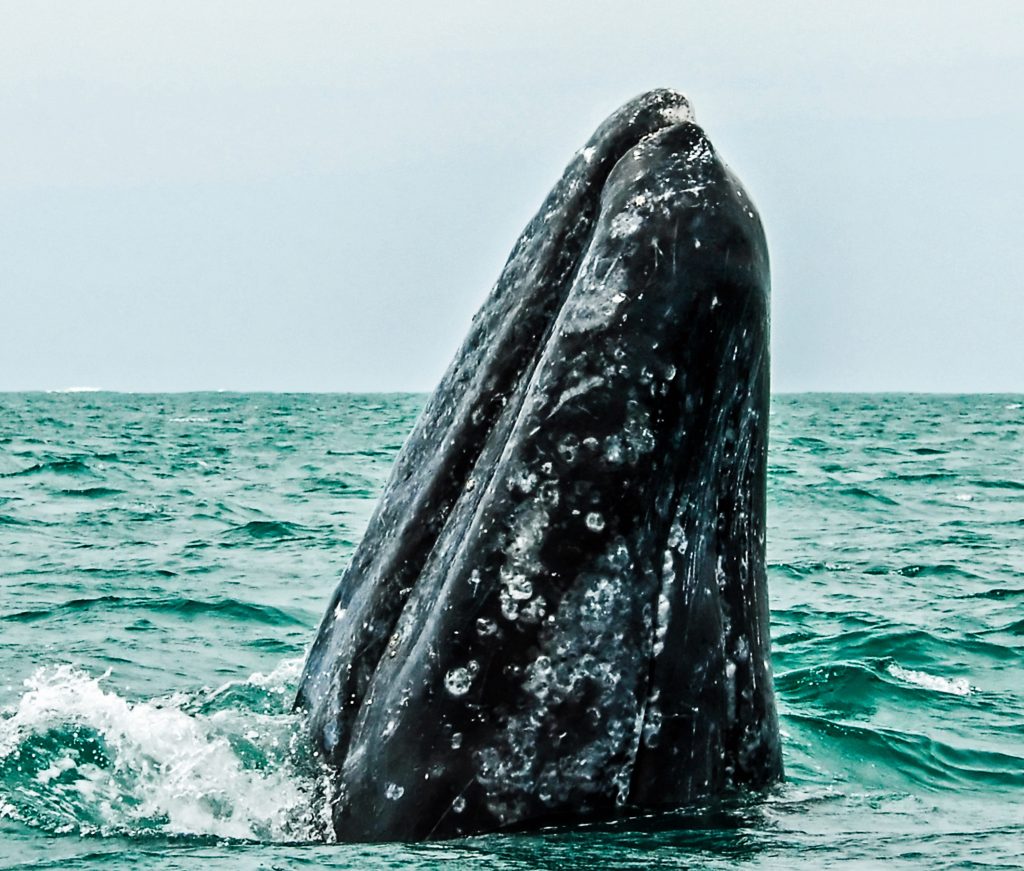
Each year from December through May, approximately 18,000 gray whales pass by our coastline in San Mateo County as they migrate from their feeding grounds in the Arctic seas near Alaska to their breeding and calving lagoons in Baja, Mexico (and back again!). A great place to see them on the move is at one of our beautiful parks – Pigeon Point Light Station State Historic Park. And the best time to watch for whales is in the spring. The oceanside observation deck at the lighthouse allows whale watchers a 300 degree view as they scan the horizon for whale blows. Docent volunteers are “on-deck” to help interpret these magnificent marine mammals and their behavior for visitors.
Donors Enjoy Treasures of History and Harvest
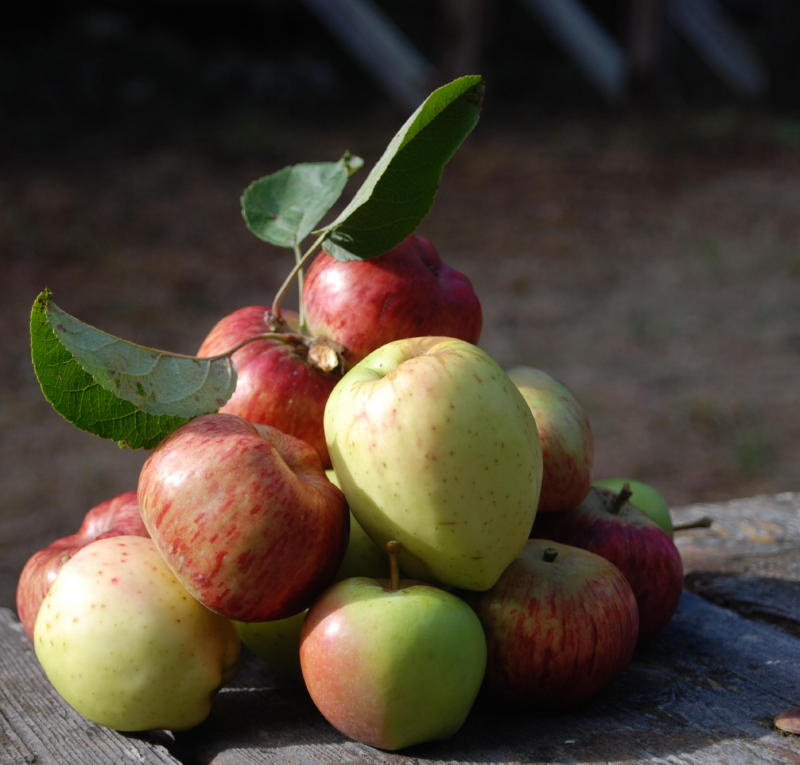
CSPA donors explored secrets of Burleigh H Murray Ranch in October 2012 and enjoyed some of the bounty of the ranch’s historic orchard. The outing began with hot drinks and applesauce cake, along with a brief review of the lives of some of the people associated with the history of the ranch.
Pescadero: The Saga of the Sandbar
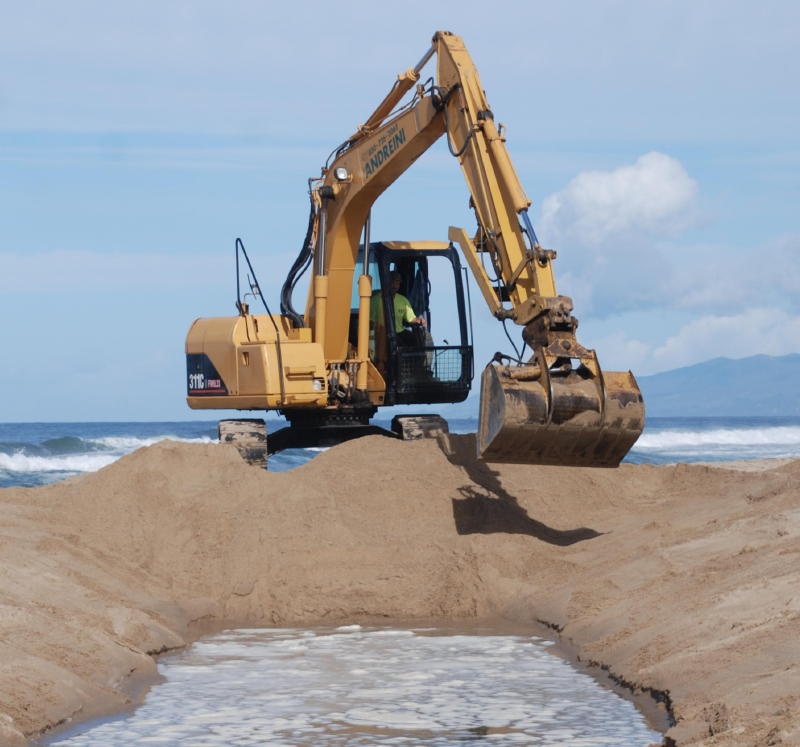
In August 2012, the National Oceanic and Atmospheric Administration (NOAA) proposed to breach the sandbar at the mouth of Pescadero Creek in an effort to avoid fish kills. Volunteers assisted state parks staff, working with NOAA and other agencies, to monitor the process and results.
Your Dollars Helped These Birds Survive
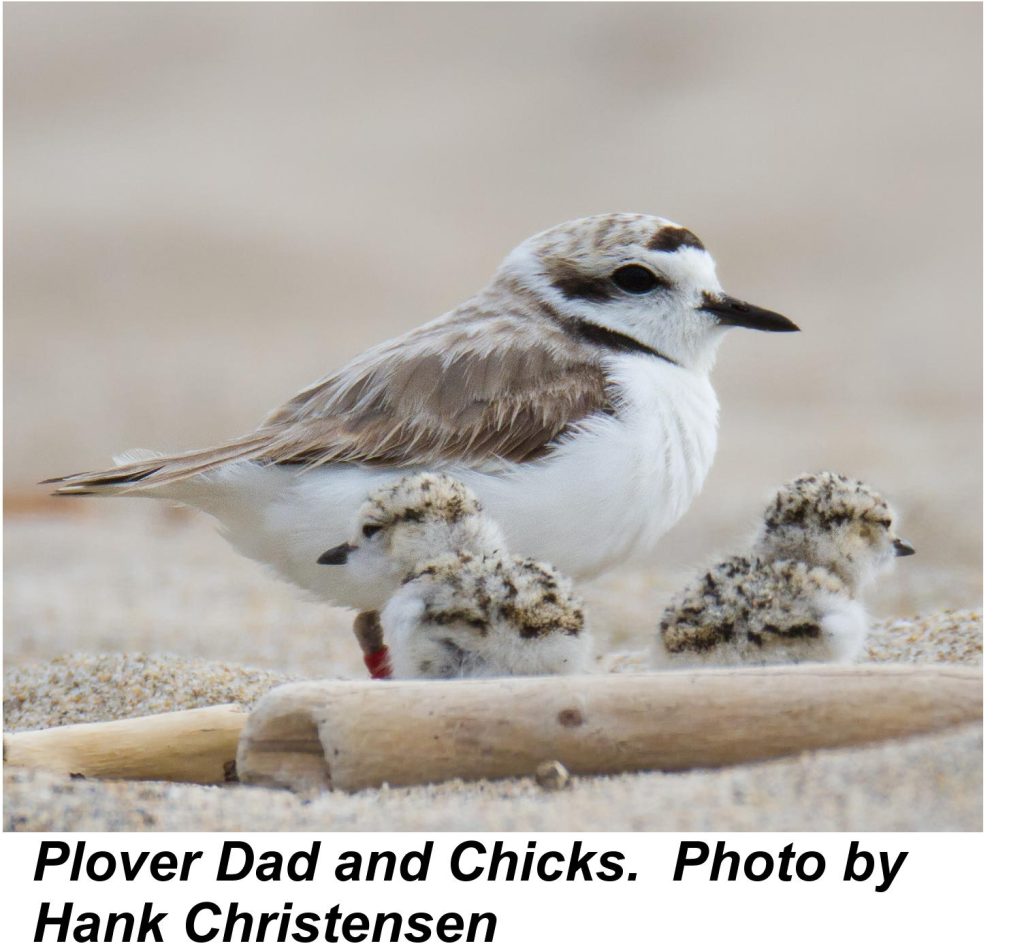
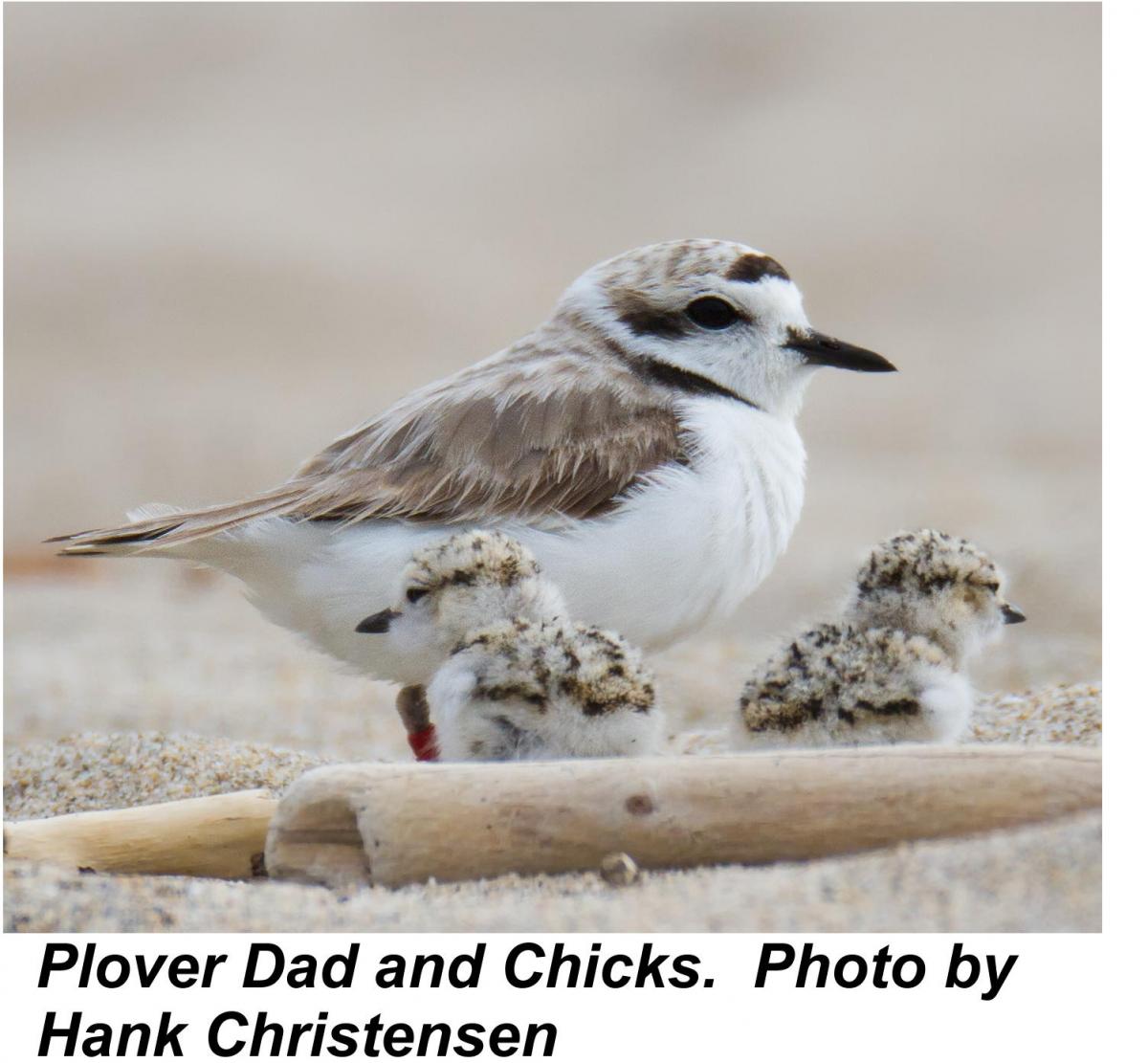
Your support for state parks made a big difference this spring when birders discovered three newly hatched Western Snowy Plover chicks on Pescadero State Beach. News of the chicks came as a surprise, since plovers had not nested on this beach for over 30 years, but state parks was ready to help monitor and protect the young birds, thanks in part to your contributions to CSPA.
Volunteers Restore a Rare Piece of History
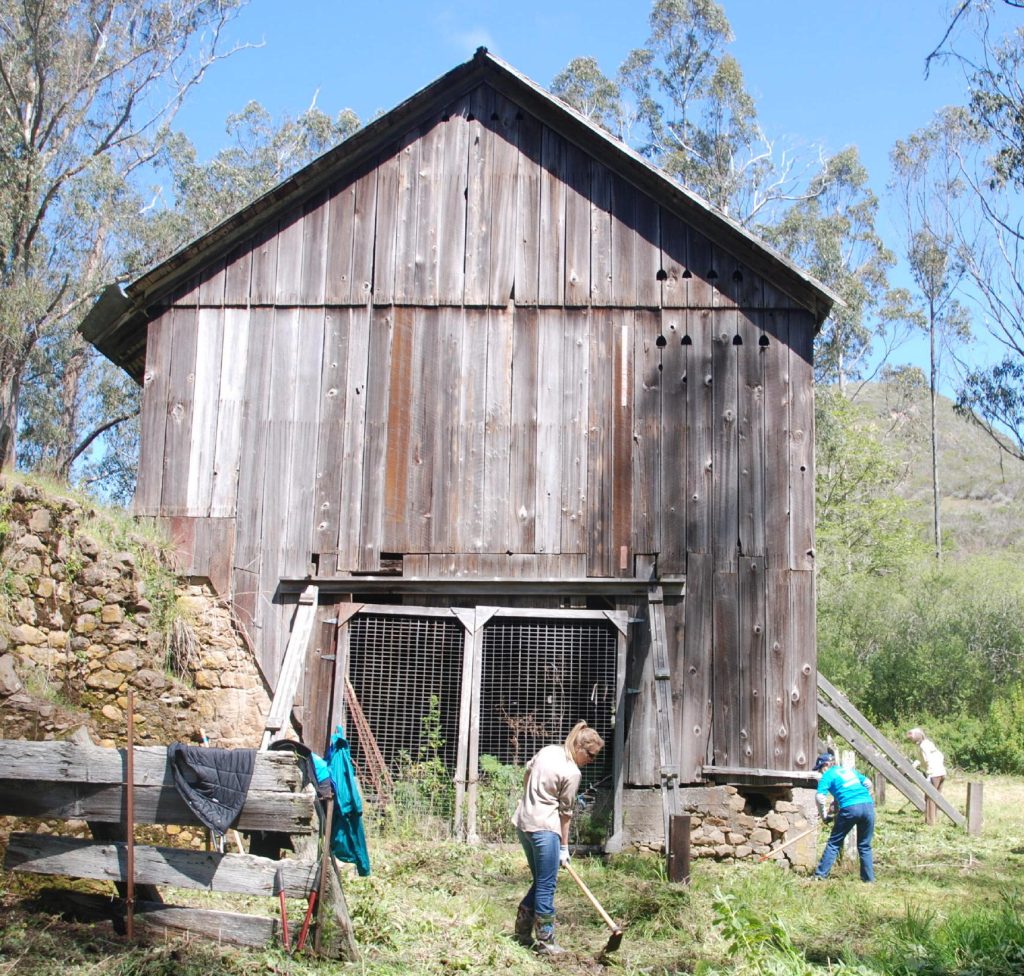
For almost a year (2011 – 2012) volunteers from all over the Bay Area donated their time and skills to restore a part of coastside history—a nearly century-old orchard in the hills above Half Moon Bay. The restoration effort, at Burleigh H. Murray Ranch, was one of many projects at state parks launched by the California State Parks Foundation (CSPF) Park Champions program as a way to use “volunteer power” to help meet the challenges resulting from a decade’s worth of cuts to park budgets.