
Who Ate the Mussels?
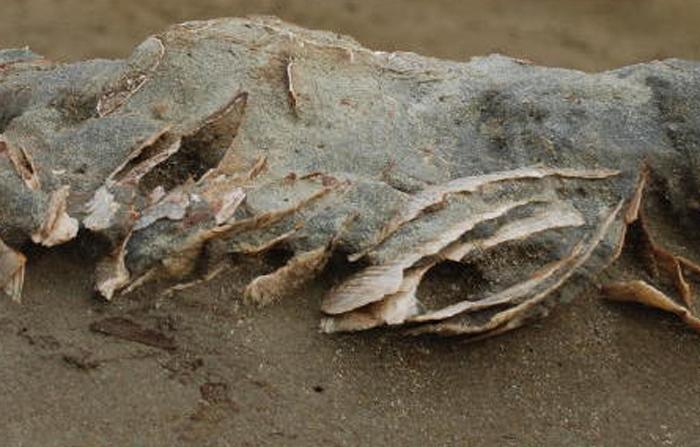
The first Europeans to see San Francisco Bay were not sailors (who cruised obliviously past the Golden Gate for over 200 years) but members of an overland expedition of Spaniards led by Gaspar de Portola up California’s coast in 1769. On October 30th of that year, shortly before a hunting party first spied parts of the bay and five days before the expedition first viewed the bay’s full expanse from a ridge, Fray Juan Crespi wrote in his journal:
Dating Prehistoric Coastal Archaeological Sites
Mark G. Hylkema
Santa Cruz District Archaeologist
California State Parks
This article presents a brief discussion of archaeological techniques used to determine the ages of local ancestral Native American cultural sites. It is submitted in response to the generous support of the CSPA membership, who funded two radiocarbon samples that were recovered from a coastal archaeological site near Montara State Beach.
New Inner Doors for the Fog Signal Building.
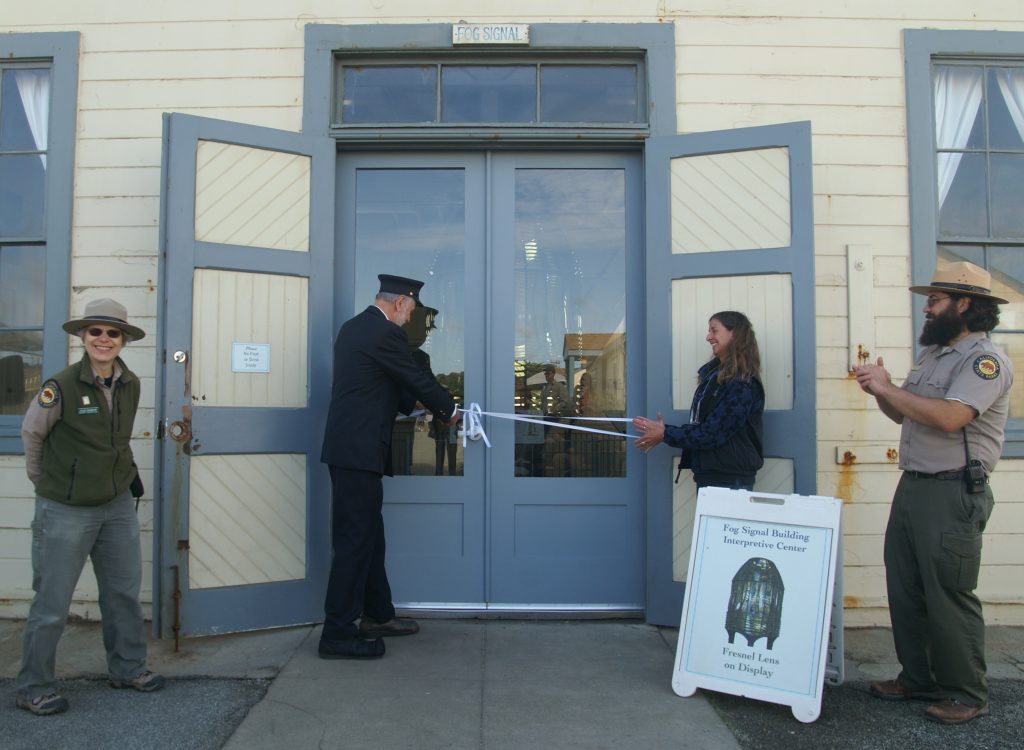
Just in time for the 142nd Anniversary event, the internal doors were installed in the Pigeon Point Fog Signal Building and a ceremonial ribbon cutting was held during the event to celebrate this next step in the restoration project for the site. This is the first visible step of many that we hope to facilitate over the coming years as the tower and the site are restored. CSPA is focusing on rehabilitation of the historic structures aside from the lighthouse itself as well as restoration of the grounds. We couldn’t do this without the continual support of our members and donors, and so once again we thank you for your ongoing support.
June is Steller Sea Lion Month!
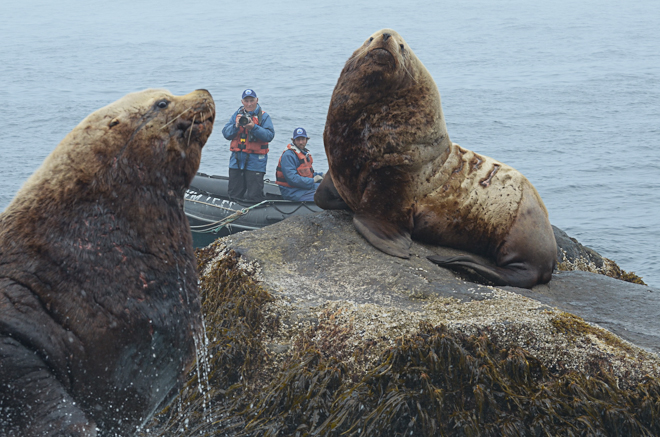
During the month of June, Año Nuevo State Park showcases the Steller sea lions of Año Nuevo Island with special exhibits, natural history information and special wildlife viewing. There are many opportunities for visitors to view these magnificent creatures that use Año Nuevo Island as a roosting and haul-out site.
Preserving Breeding Habitat for Auklets
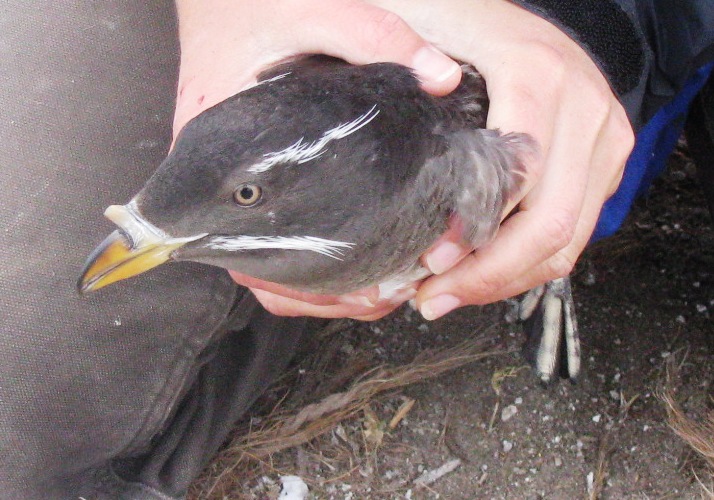
Written by guest writer: Ryan Carle, Oikonos Ecosystem Knowledge, January 2014
Año Nuevo Island is a noisy place. About half a mile offshore of the coast near the town of Pescadero, the island feels a world-away from the mainland, and the sounds (and smells) of wildlife dominate the senses. During the day, you hear California Sea Lions barking, Northern Elephant Seals snorting, Western Gulls screaming, and Brandt’s Cormorants grunting. At night, if you listen closely, another set of sounds appears—the low mooing call of Rhinoceros Auklets and a sound like an insane chirping cricket—the call of Cassin’s Auklet.
Equal Access Boardwalk for All Visitors
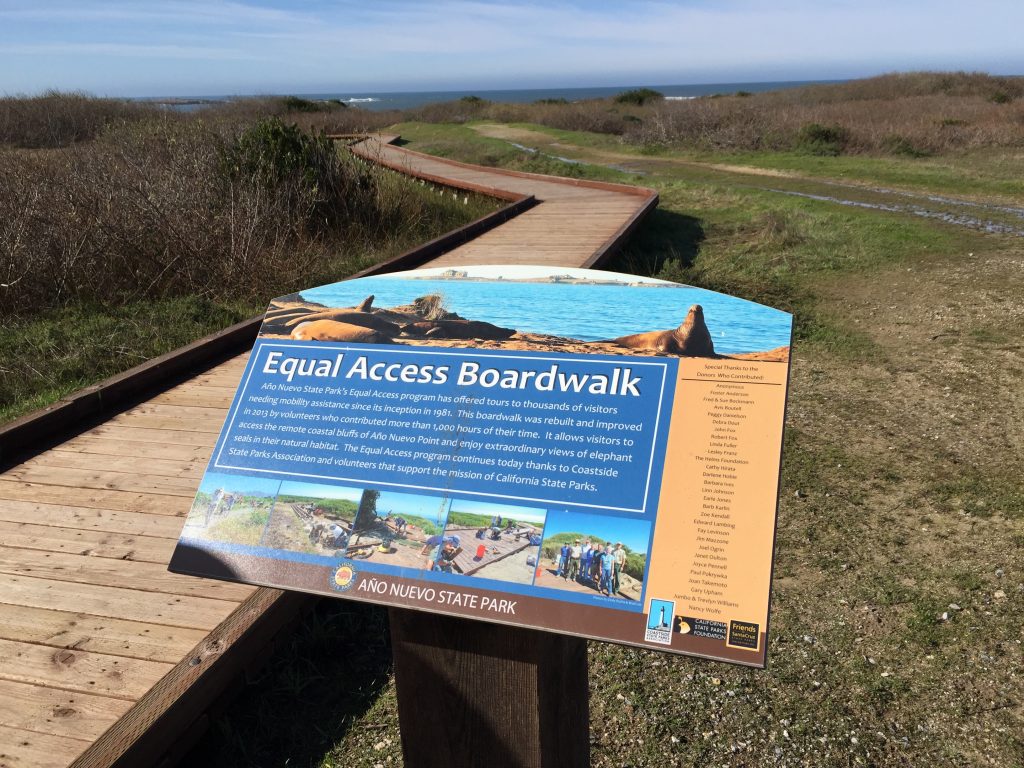
A Great Asset for Año Nuevo!
In the spring of 2013, State Park Rangers Ziad Bawarshi and Terry Kiser asked CSPA for assistance in the renovation of the existing Equal Access Boardwalk at Año Nuevo State Park. Already a high-caliber team was ready and eager to get started. Volunteers had been recruited, a realistic timeline was proposed, and a modest budget was presented for Coastside State Parks to use to secure donations.
Explore Your Parks:
San Gregorio and Pomponio Beaches
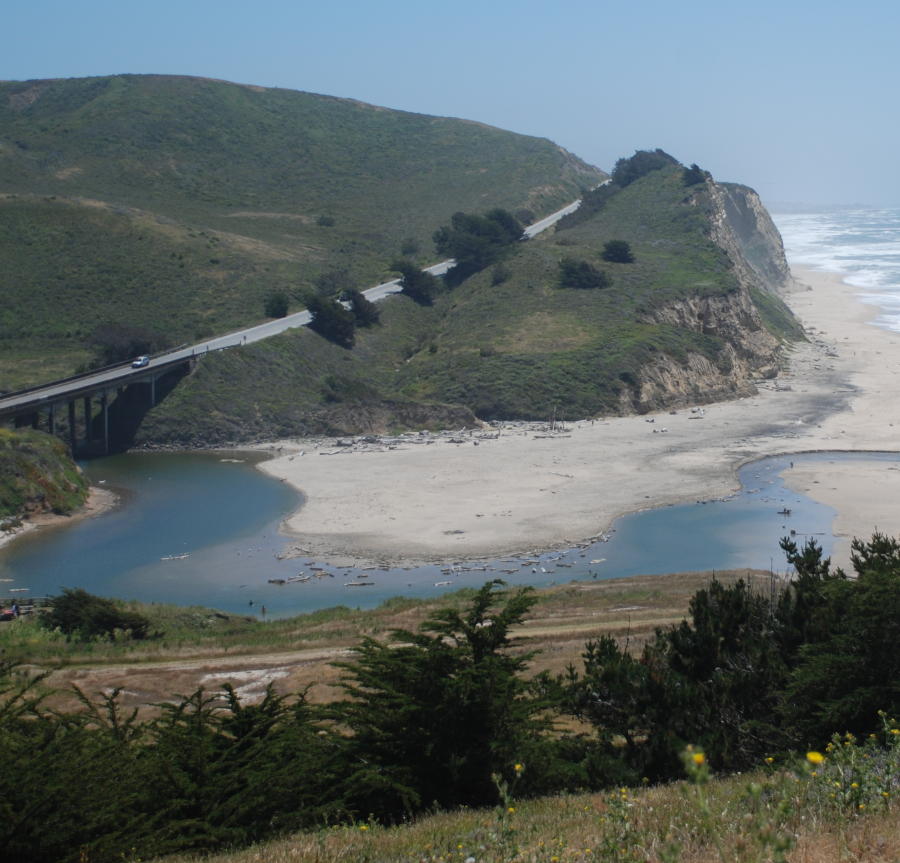
When it’s hot in the Bay Area and valley, where do you go to get relief? San Gregorio and Pomponio state beaches are popular summertime destinations where you can enjoy the beach and the cool temperatures along the coast. There is much more to these beaches, however, if you know their secrets.
Explore Your Parks:
Pescadero Beach and Marsh
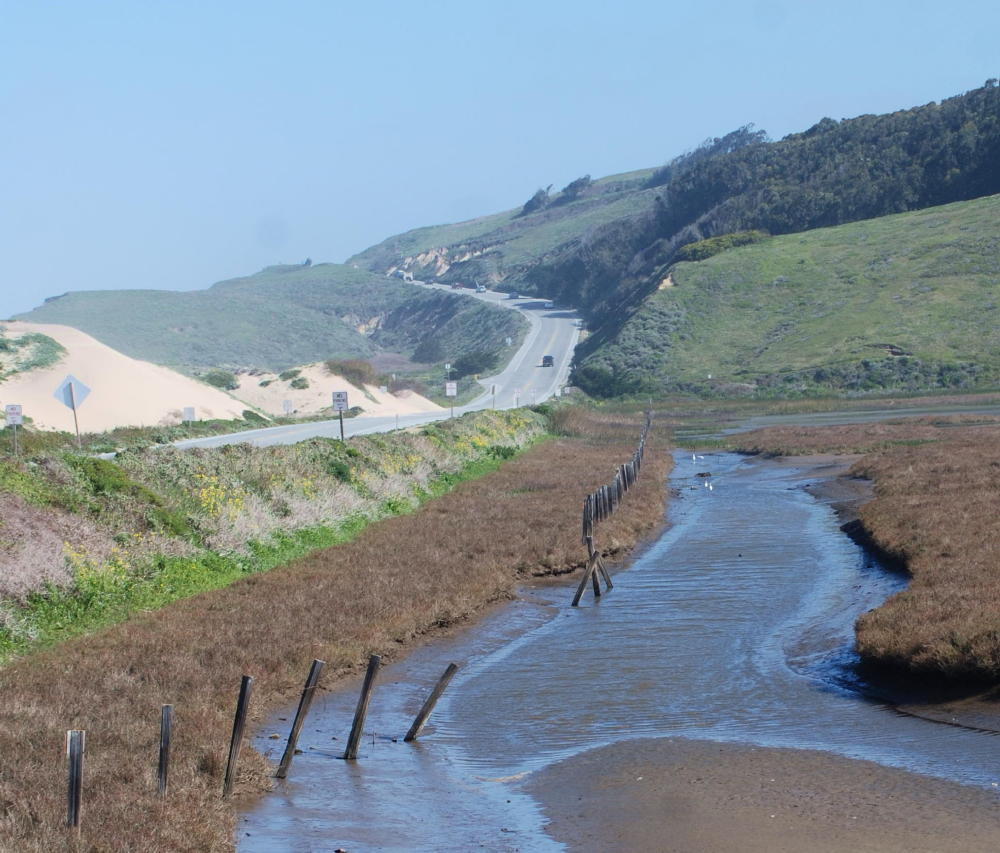
Pescadero State Beach and Natural Preserve has it all–one of the longest sandy beaches on the coast with some of the biggest sand dunes, tide pools and rocks with slumbering harbor seals; the largest coastal wetland between San Francisco and Monterey County; more than 200 species of birds, including the rarely seen western snowy plover and a rookery of nesting herons, egrets, and cormorants; trails to explore on your own or on free docent-led walks. The park draws visitors from all over the world and is a classroom for more than 10,000 school children every year.
A Report from a Sunrise Photographer
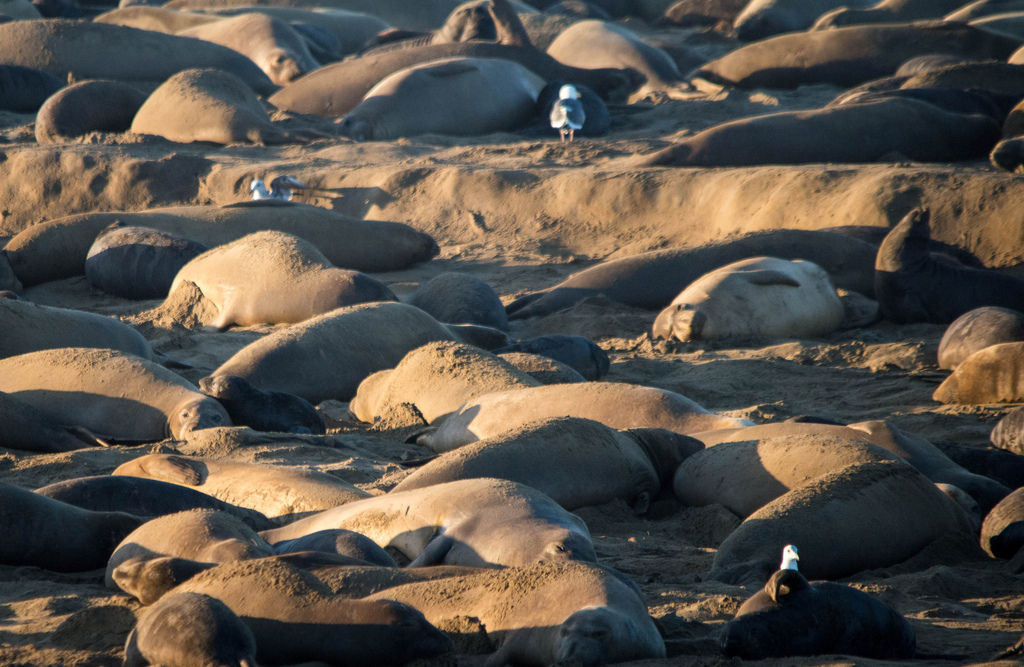
By guest writer, Laura Oliphant.
It was a clear, cold morning as I joined the other participants for the Sunrise Photography tour at Año Nuevo State Park. Meeting at 6:00 am, we silently got our gear together before boarding the bus that would take us the short drive to the start of our tour. As we got ourselves and our gear off the bus and started the walk down to the beach, we realized how cold it was – there was ice on the boardwalk.
“Thar She Blows!” – Whale Watching at Pigeon Point
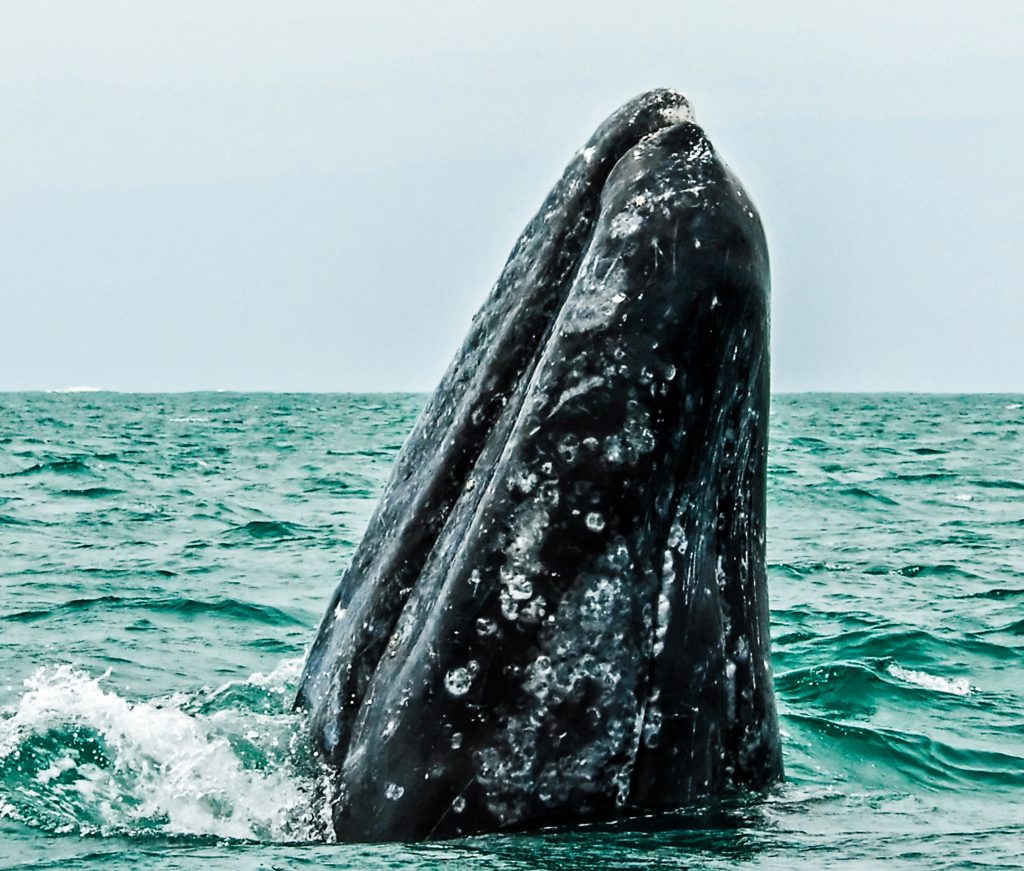
Each year from December through May, approximately 18,000 gray whales pass by our coastline in San Mateo County as they migrate from their feeding grounds in the Arctic seas near Alaska to their breeding and calving lagoons in Baja, Mexico (and back again!). A great place to see them on the move is at one of our beautiful parks – Pigeon Point Light Station State Historic Park. And the best time to watch for whales is in the spring. The oceanside observation deck at the lighthouse allows whale watchers a 300 degree view as they scan the horizon for whale blows. Docent volunteers are “on-deck” to help interpret these magnificent marine mammals and their behavior for visitors.