
More Plovers on Our Beaches
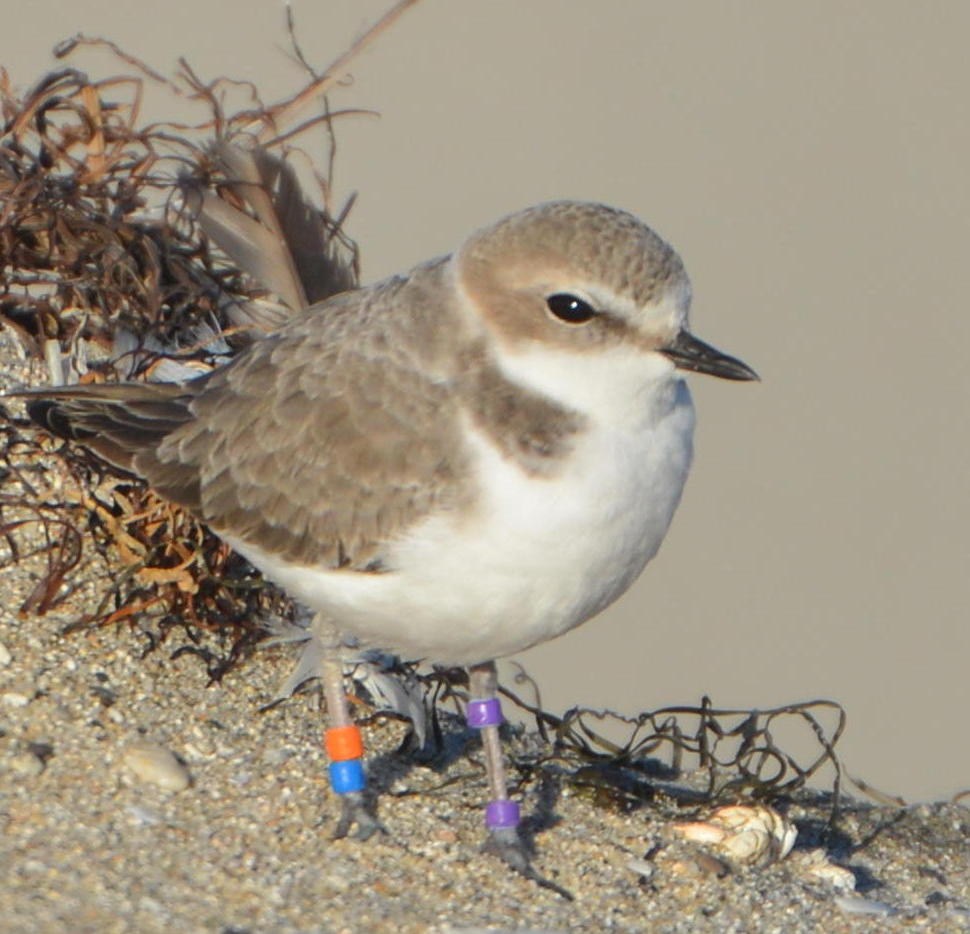
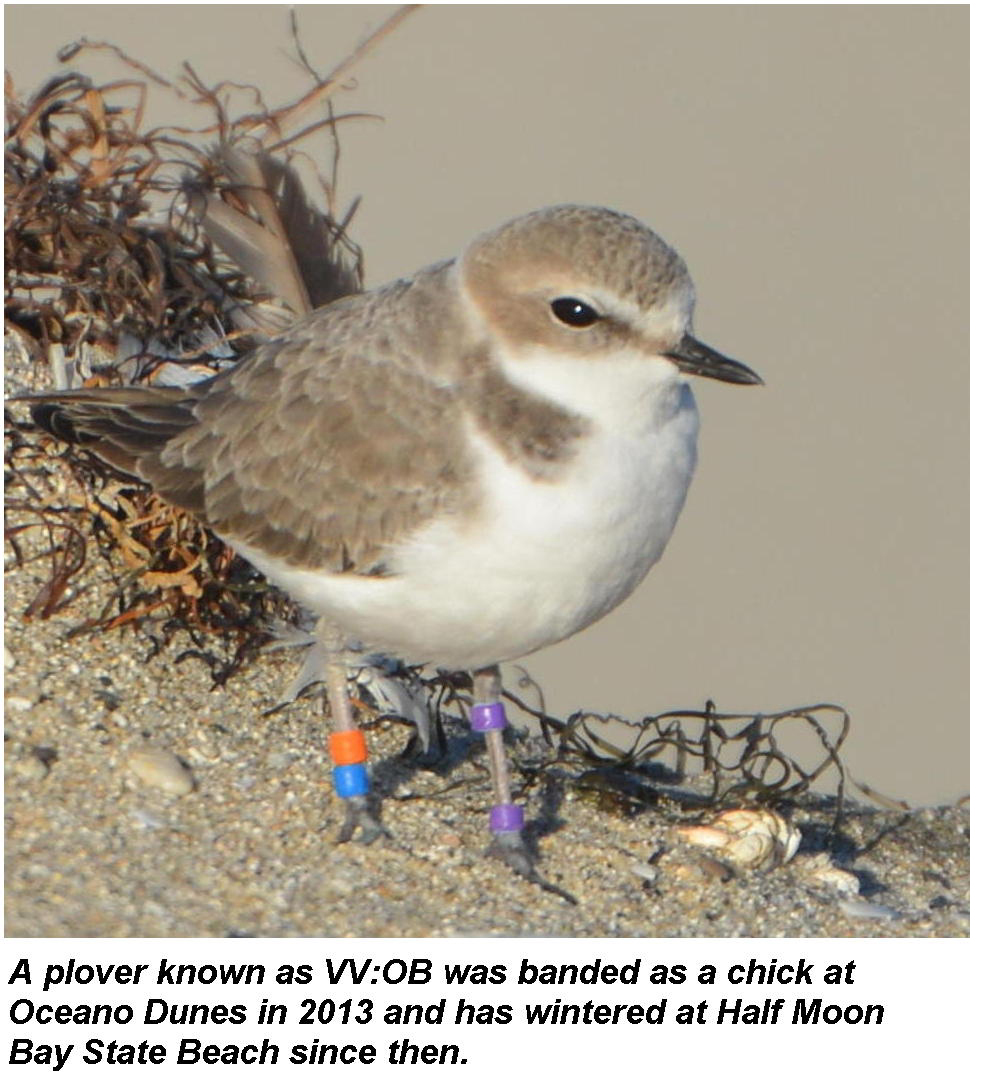 There is good news about the snowy plovers on the San Mateo Coast. The 2015 annual Winter Window Survey revealed more plovers wintering on our local beaches than in the past ten years. Preliminary numbers show that there are more snowy plovers this winter in our Recovery Unit, which is designated by the US Fish and Wildlife Service and runs along the coast from Sonoma County down to Monterey County. Plover Watchers look forward to the spring survey to learn if this means an increase in our coastal nesting population.
In a Hidden Corner of Half Moon Bay State Beach.
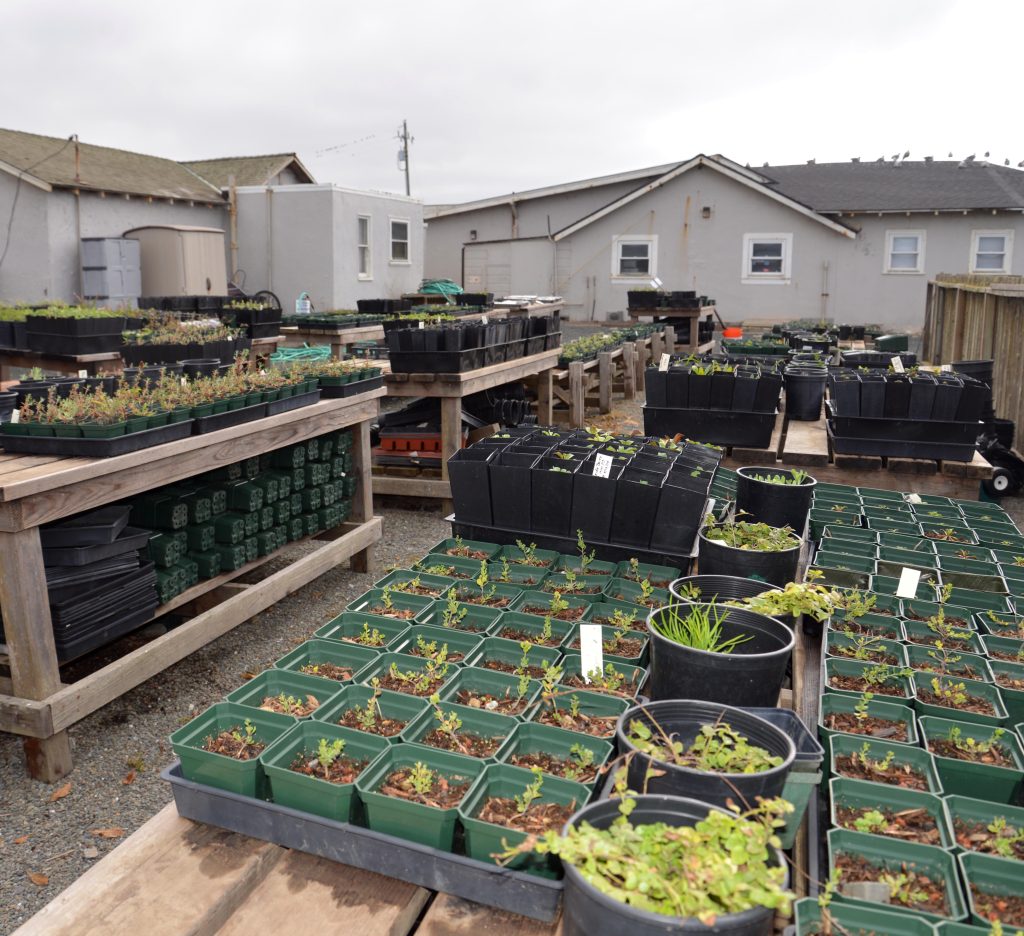
 Thanks to a $6,000 grant and donations from local businesses a struggling native plant nursery, staffed by State Park volunteers, has been transformed from a weedy plot of land to a well-kept gravel work area with new potting tables for the plants and storage for tools to protect them from the harsh salt air. Thanks for the grant go to Anchor Brewing of San Francisco, which generously donated the funds, and to the California State Parks Foundation, which passed Anchor’s donation on to CSPA as the grant for the nursery.
Hidden Treasures of Tidepools
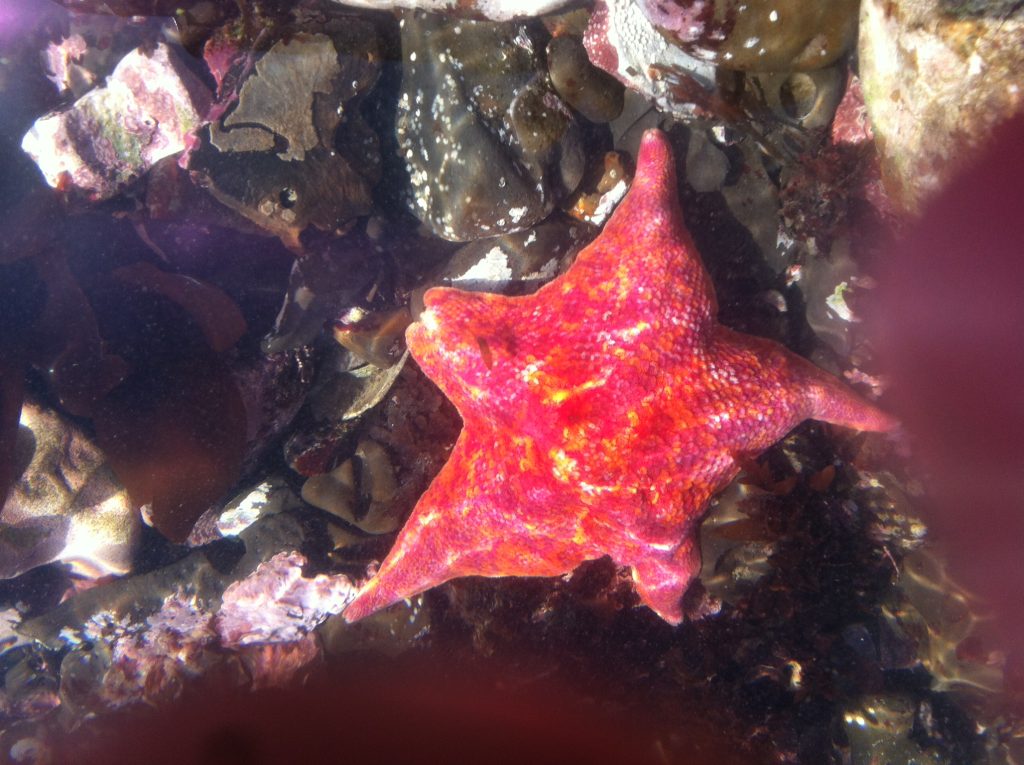
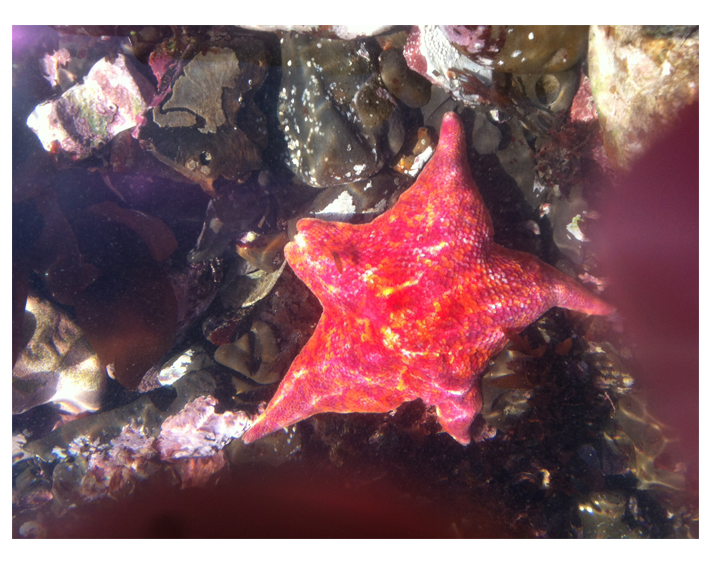 A tidepool “is a fabulous place: When the tide is in, it is a wave churned basin, creamy with foam. But when the tide goes out, the little water world becomes quiet and lovely. The sea is very clear and the bottom becomes fantastic with hurrying, fighting, feeding and breeding animals. Crabs rush from frond to frond of waving algae. Starfish squat over mussels and limpets, attach their million little suckers and then slowly lift with incredible power…and then finally the starfish stomach comes out and envelops its food. The lovely, colored world is glassed over. Hermit crabs like frantic children scamper on the bottom sand. The anemones expand like soft and brilliant flowers, inviting any tired and perplexed animal to lie for a moment in their arms, and when some small crab or little tidepool Johnnie accepts the green and purple invitation, the petals whip in, stinging cells shoot tiny narcotic needles into their prey, and it grows weak and perhaps sleepy and soon the searing, caustic digestive acids melt its body down. A wave breaks over the barrier and churns the glassy water for a moment and mixes bubbles into the tide pool, and then it clears and is tranquil and lovely and murderous again.” – John Steinbeck, Cannery Row.
Dating Prehistoric Coastal Archaeological Sites
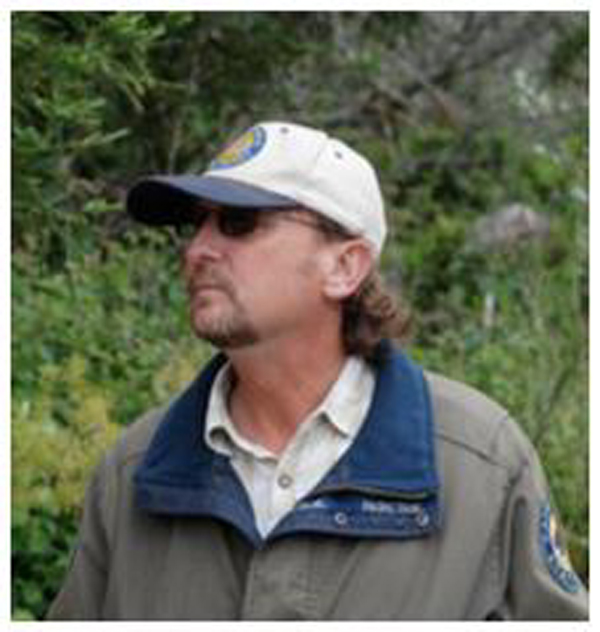
Mark G. Hylkema
Santa Cruz District Archaeologist
California State Parks
This article presents a brief discussion of archaeological techniques used to determine the ages of local ancestral Native American cultural sites. It is submitted in response to the generous support of the CSPA membership, who funded two radiocarbon samples that were recovered from a coastal archaeological site near Montara State Beach.
New Inner Doors for the Fog Signal Building.
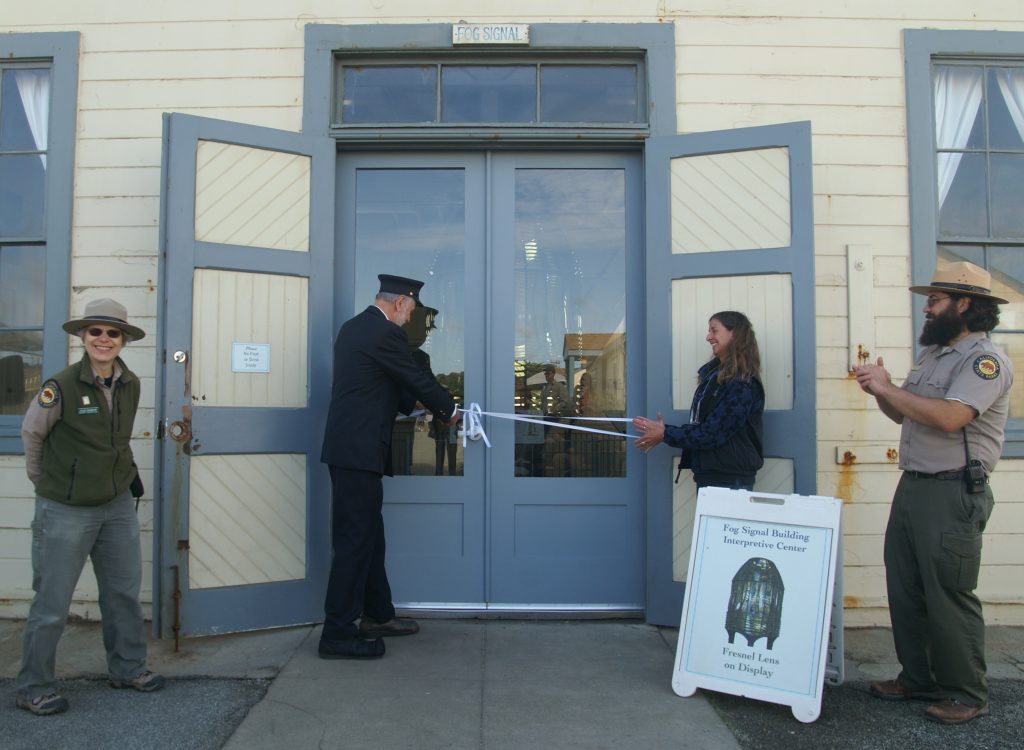
Just in time for the 142nd Anniversary event, the internal doors were installed in the Pigeon Point Fog Signal Building and a ceremonial ribbon cutting was held during the event to celebrate this next step in the restoration project for the site. This is the first visible step of many that we hope to facilitate over the coming years as the tower and the site are restored. CSPA is focusing on rehabilitation of the historic structures aside from the lighthouse itself as well as restoration of the grounds. We couldn’t do this without the continual support of our members and donors, and so once again we thank you for your ongoing support.
June is Steller Sea Lion Month!
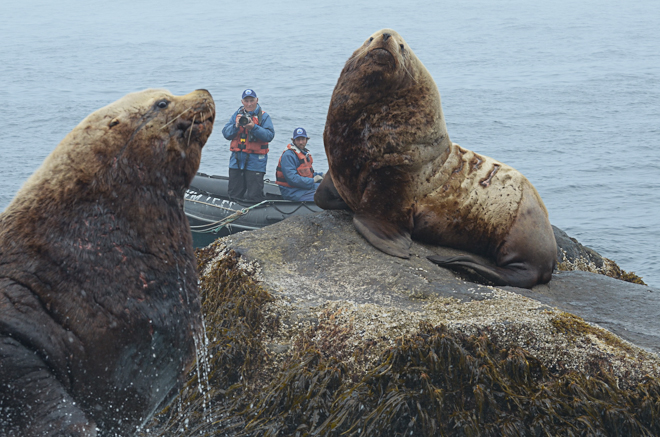
During the month of June, Año Nuevo State Park showcases the Steller sea lions of Año Nuevo Island with special exhibits, natural history information and special wildlife viewing. There are many opportunities for visitors to view these magnificent creatures that use Año Nuevo Island as a roosting and haul-out site.
Preserving Breeding Habitat for Auklets
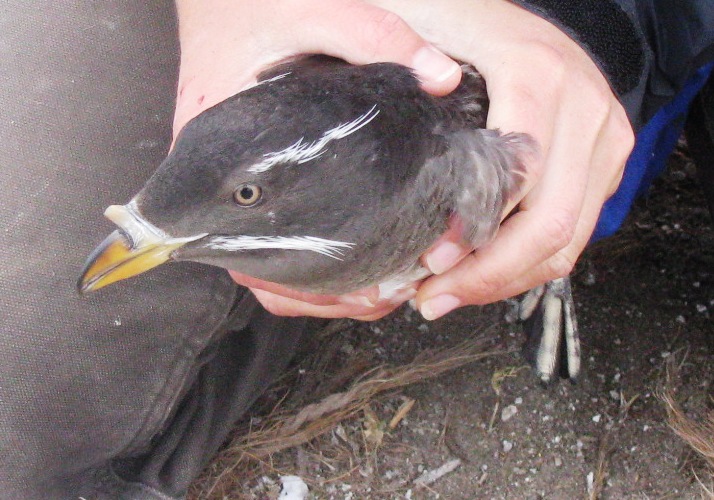
Written by guest writer: Ryan Carle, Oikonos Ecosystem Knowledge, January 2014
Año Nuevo Island is a noisy place. About half a mile offshore of the coast near the town of Pescadero, the island feels a world-away from the mainland, and the sounds (and smells) of wildlife dominate the senses. During the day, you hear California Sea Lions barking, Northern Elephant Seals snorting, Western Gulls screaming, and Brandt’s Cormorants grunting. At night, if you listen closely, another set of sounds appears—the low mooing call of Rhinoceros Auklets and a sound like an insane chirping cricket—the call of Cassin’s Auklet.
Equal Access Boardwalk for All Visitors
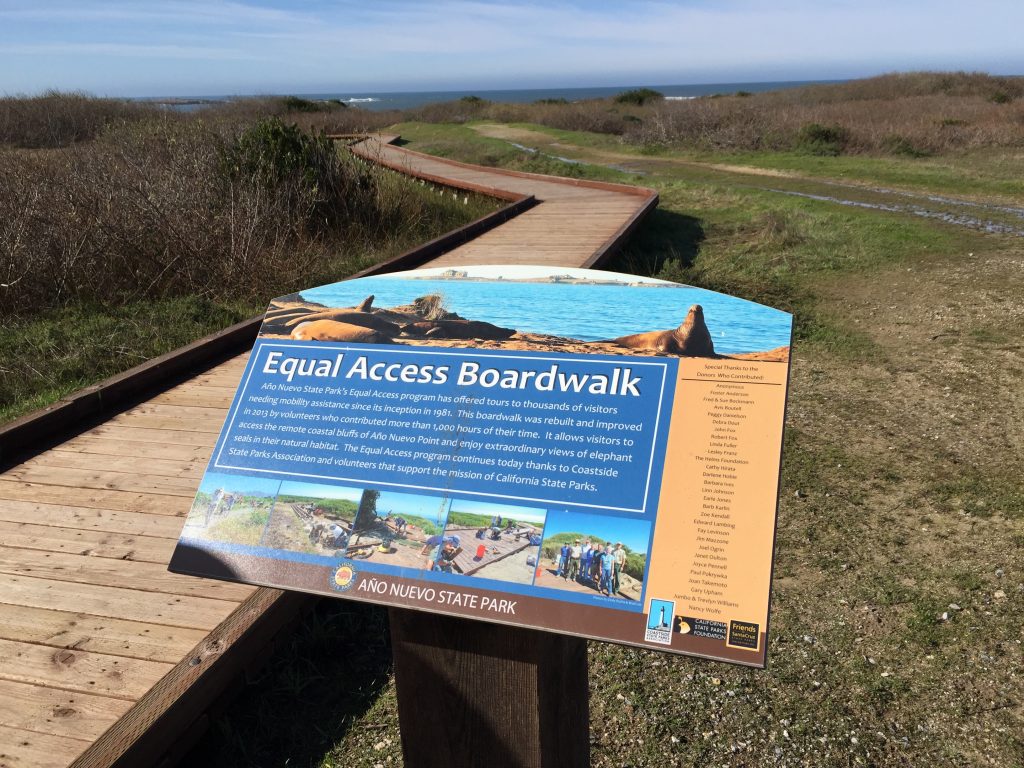
A Great Asset for Año Nuevo!
In the spring of 2013, State Park Rangers Ziad Bawarshi and Terry Kiser asked CSPA for assistance in the renovation of the existing Equal Access Boardwalk at Año Nuevo State Park. Already a high-caliber team was ready and eager to get started. Volunteers had been recruited, a realistic timeline was proposed, and a modest budget was presented for Coastside State Parks to use to secure donations.
Explore Your Parks:
San Gregorio and Pomponio Beaches
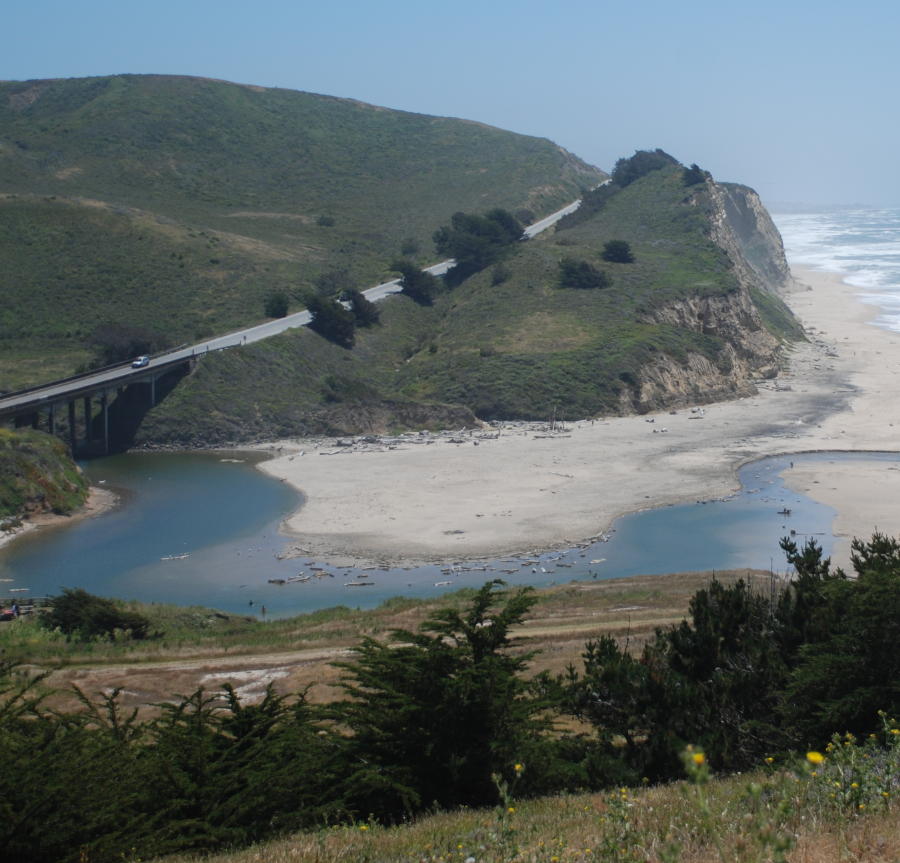
When it’s hot in the Bay Area and valley, where do you go to get relief? San Gregorio and Pomponio state beaches are popular summertime destinations where you can enjoy the beach and the cool temperatures along the coast. There is much more to these beaches, however, if you know their secrets.
Explore Your Parks:
Pescadero Beach and Marsh
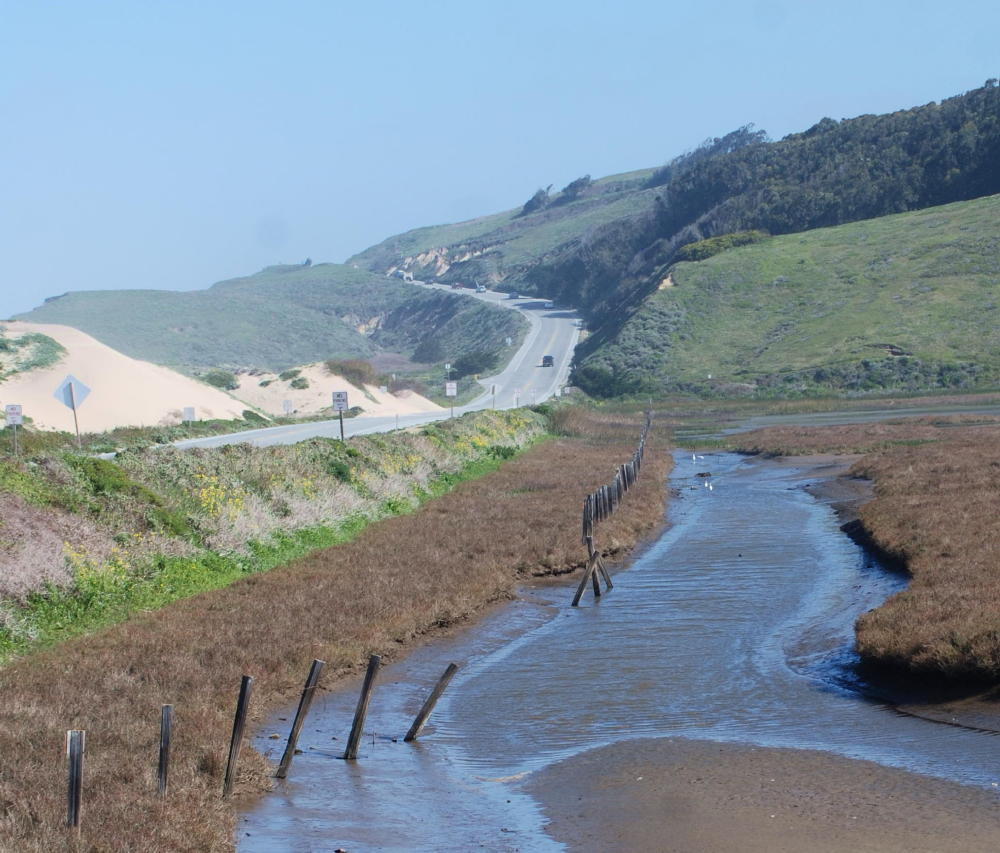
Pescadero State Beach and Natural Preserve has it all–one of the longest sandy beaches on the coast with some of the biggest sand dunes, tide pools and rocks with slumbering harbor seals; the largest coastal wetland between San Francisco and Monterey County; more than 200 species of birds, including the rarely seen western snowy plover and a rookery of nesting herons, egrets, and cormorants; trails to explore on your own or on free docent-led walks. The park draws visitors from all over the world and is a classroom for more than 10,000 school children every year.